
Heat Rash (Prickly Heat): Causes, Signs, and Prevention

What Is Heat Rash?
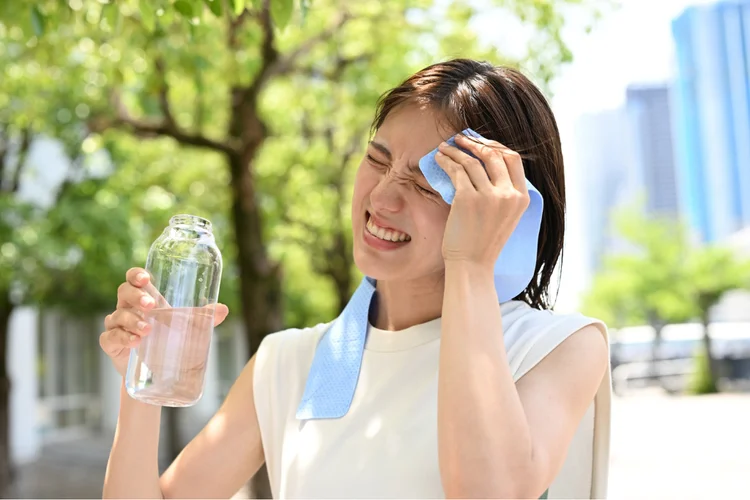
Woman outdoors in Singapore humidity wiping sweat away while experiencing heat rash symptoms.

Heat rash, also known as miliaria or prickly heat, occurs when sweat ducts become blocked, trapping perspiration beneath the skin and leading to inflammation and small red bumps.

This condition often develops in hot, humid environments where sweating is excessive, particularly in areas where skin folds or clothing restrict airflow. Although generally not serious, heat rash can cause discomfort and skin irritation.

There are different forms of heat rash, including miliaria crystallina, miliaria rubra, and miliaria profunda.

What Causes Heat Rash?

Heat rash develops when sweat ducts become blocked, causing perspiration to build up beneath the skin and leading to localised inflammation. Common causes include:

  • Overheating or excessive sweating.
  • Wearing tight or non-breathable clothing.
  • Use of thick creams or ointments that block pores.
  • Immature sweat ducts in infants.
  • Prolonged bed rest or immobility, especially in hospital settings.

Heat rash affects both children and adults and is particularly common in tropical climates such as Singapore’s, where high humidity increases the risk of sweat retention, skin irritation, and flare-ups of other conditions like eczema.

Heat Rash Symptoms
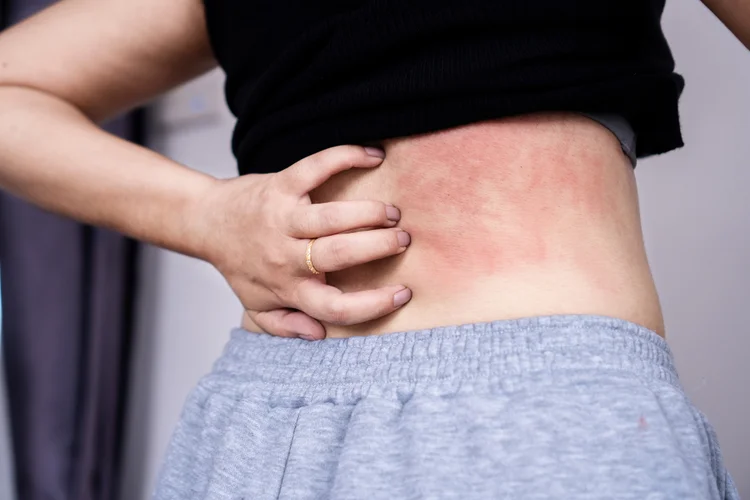
Person scratching red heat rash on lower back due to blocked sweat ducts in humid Singapore weather.
Woman showing heat rash on neck and upper chest with small red bumps due to sweat and friction.
Person scratching red heat rash on lower back due to blocked sweat ducts in humid Singapore weather.

Heat rash symptoms typically include small red or clear bumps that may feel itchy, prickly, or irritated. These often appear in clusters on areas of the body prone to sweating and friction, such as the neck, chest, back, groin, under the breasts, and in skin folds.

Symptoms can vary depending on the form of heat rash:

  • Miliaria crystallina causes tiny, clear, fluid-filled blisters that are usually not inflamed or painful and tend to rupture easily.
  • Miliaria rubra presents as red, inflamed papules that may be intensely itchy or cause a prickling or stinging sensation.
  • Miliaria profunda produces firm, flesh-coloured bumps deeper in the skin and is more common after repeated episodes of heat rash. It may be accompanied by reduced sweating in the affected areas.

In more severe forms, heat rash may involve:

  • A burning or stinging sensation.
  • Mild swelling or inflammation.
  • Pus-filled lesions if secondary infection develops.

Symptoms tend to worsen in hot, humid environments or during physical activity. They usually improve when the skin is kept cool, dry, and well-ventilated.

How Long Does Heat Rash Last?

Heat rash usually resolves within a few days once the skin is allowed to cool and breathe, but the duration can vary depending on the severity and whether any complications, such as bacterial infection, arise.

Milder forms like miliaria crystallina often clear within 1 to 2 days, while more inflamed types such as miliaria rubra may take several days or longer.

Heat Rash Treatment & Management

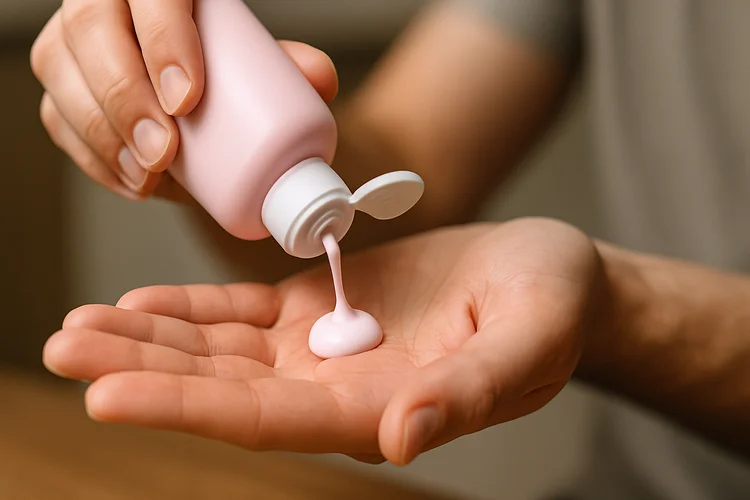
Close-up of calamine lotion being poured onto hand to soothe and relieve itchy heat rash symptoms.

Treatment for heat rash focuses on relieving discomfort, reducing inflammation, and preventing further blockage of sweat ducts by keeping the affected area cool and dry. Most cases improve with basic self-care and by making changes to your surroundings.
Common approaches include:

  • Moving to a cooler, well-ventilated environment.
  • Wearing loose-fitting, breathable clothing made from natural fabrics.
  • Gently cleansing the skin with cool water and avoiding harsh or fragranced soaps.
  • Avoiding heavy ointments, creams, or occlusive skincare products that may block pores.
  • Using calamine lotion or menthol-based creams to relieve itching.
  • Applying topical corticosteroids in more persistent or inflamed cases, under medical supervision.

If you notice the development of pustules, increasing pain, or significant redness, this may indicate a secondary bacterial infection. In such cases, seeking medical evaluation is recommended to determine whether prescription treatments or antibiotics are needed.

How to Prevent Heat Rash?

To prevent heat rash, reduce excessive sweating and ensure proper skin ventilation, especially in hot and humid climates like Singapore. You can lower your risk by:

  • Staying in shaded or air-conditioned environments during the hottest parts of the day.
  • Wearing lightweight, moisture-wicking fabrics such as cotton or breathable blends.
  • Taking regular breaks to cool down during prolonged physical activity.
  • Showering soon after sweating to help keep pores clear.
  • Using non-comedogenic skincare products that do not block sweat ducts.
  • Keeping infants cool and dry, and avoiding excessive layering of clothing.

Prevention is particularly important for individuals who are prone to heat rash or recovering from a recent episode. Maintaining these habits can help minimise recurrence and reduce irritation during periods of increased heat or humidity.

Why Choose Dr Robert Ong’s Heat Rash Treatment in Singapore?

The Medical Aesthetics Track Record

+

Patients Consulted Since 2002

+

Years of Experience

+

Google Reviews

Experienced & Friendly Doctor

Dr Robert Ong listens attentively to your concerns and patiently discusses with you the appropriate treatment options, based on over 20 years of medical and aesthetics experience.

Affordable Treatments

We are priced competitively and affordably. We also have a variety of treatment options depending on your budget and requirements.

Safe & Effective Results

Our treatment options are safe, effective and promotes natural healing for your skin. We strive to keep your experience a comfortable one and will minimize any pain or discomfort, if any.

Where Can I Seek Treatment for Heat Rash?

Book Heat Rash Treatment
Book Now

Enquire More Through Email
Email Us Now

Enquire More Through WhatsApp
WhatsApp Us Now

Get Directions to Us on Google Maps

Frequently Asked Questions (FAQs)

Heat rash and eczema are both skin conditions, but they differ in cause, appearance, and triggers. Heat rash results from blocked sweat ducts and appears as small red or clear bumps in hot, humid conditions, while eczema is a chronic inflammatory condition marked by dry, itchy, and often scaly skin. A clinical evaluation may be needed if the rash persists, recurs, or does not respond to basic home treatment.

Heat rash usually clears on its own by keeping the skin cool, dry, and well-ventilated. Treatment involves avoiding further sweating, wearing breathable clothing, and using soothing agents such as calamine lotion. In more inflamed or persistent cases, topical corticosteroids may be recommended under medical supervision. Prompt care can help relieve discomfort and prevent complications like secondary infection.

The fastest way to relieve heat rash is to cool the skin, reduce sweating, and minimise friction. Moving to an air-conditioned area, wearing loose clothing, and cleansing the skin with cool water can help it clear more quickly. Using soothing lotions such as calamine may help reduce itching. While mild cases often improve within a day or two, more irritated types may take longer to resolve even with early care.

To treat and soothe heat rash, keep the affected area cool and dry, wear breathable clothing, and avoid thick or greasy products that may block pores. Calamine lotion or menthol-based creams can help relieve itching and discomfort. Reducing heat exposure and limiting activities that cause excessive sweating are important to support recovery and prevent further irritation. If the rash does not improve or shows signs of infection such as pain, swelling, or pus, consult a doctor.

Bed bug bites usually appear as red, itchy bumps in a line or cluster and may cause swelling, while heat rash shows as small red or clear bumps in areas where sweat or friction builds up. Bed bug bites often occur overnight on exposed skin, whereas heat rash develops with prolonged heat or sweating. If the rash does not improve, becomes more irritated, or you are unsure of the cause, consult a doctor for evaluation.

Heat rash is often itchy and may cause a prickling or stinging sensation, especially in its inflamed forms such as miliaria rubra. These symptoms result from blocked sweat ducts and irritation due to trapped perspiration beneath the skin. The intensity of discomfort can vary based on the type and severity of the rash, and tends to worsen with continued heat, sweating, or friction.

Heat rash is commonly referred to as ruam panas in Malay, which directly translates to "heat rash" or "prickly heat." It describes a skin condition caused by blocked sweat ducts, typically seen in hot and humid climates.

In Chinese, heat rash is commonly known as 痱子 (fèi zi), a term that refers to prickly heat caused by sweat gland blockage. This condition is frequently seen in warm, humid environments and is especially common in children. The term 痱子 encompasses the typical symptoms of heat rash, such as red or clear bumps, itching, and skin irritation in areas with poor ventilation.

Two common signs of heat rash are small red or clear bumps and a prickling or itchy sensation, particularly in areas with trapped sweat. These bumps may appear in clusters on the neck, chest, back, groin, or under the breasts. The appearance can vary depending on the type, ranging from clear blisters in mild forms to red, inflamed papules in more irritated cases.

Heat rash can be mistaken for several skin conditions, including eczema, contact dermatitis, folliculitis, and even insect bites. These conditions may also present with redness, itching, or bumps, but differ in underlying cause and progression. Precise diagnosis often depends on the rash’s location, trigger factors, and whether symptoms persist after cooling and self-care.

Calamine lotion and menthol-based creams are commonly used to relieve itching and discomfort from heat rash by providing a cooling and soothing effect. In more persistent cases, a doctor may recommend additional treatments based on the severity. It is important to avoid thick or greasy creams that can trap heat and block sweat from escaping, as this may worsen the rash.

Aloe vera is often used to relieve heat rash because of its cooling and anti-inflammatory properties, which may help soothe irritation and reduce redness. While not a primary treatment, its gentle nature makes it suitable for sensitive skin, as long as the product is free from added fragrances or thick ingredients that can block pores and trap heat.

Heat rash does not spread from person to person, but it can appear on new areas of the body if sweating, heat, and humidity continue. It often develops in spots where clothing rubs against the skin or where sweat becomes trapped. The rash may worsen or come back if the skin stays overheated or if steps to keep it cool and dry are not taken.

Some sunscreens, especially those that are thick or greasy, may contribute to heat rash by trapping sweat and blocking the skin’s ability to breathe. Choosing a lightweight, non-comedogenic sunscreen that does not clog pores can help lower this risk, particularly in hot and humid weather. If you have sensitive skin, testing the product on a small area first may help prevent irritation.

A sudden heat rash may be triggered by increased sweating, hot and humid weather, tight clothing, or using thick skincare products that trap sweat and prevent airflow. It can also develop during illness, immobility, or after a change in environment that raises your skin temperature. Identifying these triggers and making simple adjustments, such as wearing breathable fabrics and keeping your skin cool, can help reduce the risk of future episodes.
Medical Disclaimer
Please note by reading this article, you agree that the information here should not be substituted for professional medical advice. If you have a medical concern, please talk to a doctor.

Back to Blog