

Last updated: Jun 16, 2026


What Is Acne?
Acne, often called pimples, is a common skin condition that develops when hair follicles become clogged with oil and dead skin cells, leading to whiteheads, blackheads, and inflamed pimples. It most often appears on the face but can also affect the chest, back, and shoulders. Effective treatment typically focuses on clearing active breakouts and lowering the risk of permanent acne scars.
Causes of Acne
Several factors can disrupt the skin's natural balance and trigger acne. Common causes include:
- Hormonal changes: Fluctuating hormones stimulate sebaceous glands to produce excess oil, clogging pores and causing acne.
- Genetics: A family history of acne may increase susceptibility.
- Lifestyle factors: Diet, sleep, and exercise can influence acne severity.
- Medications: Certain drugs may trigger breakouts as a side effect.
- Bacteria: Skin bacteria can lead to inflammation and infection, worsening the condition.
Acne can also affect other areas like the back and scalp. Severe forms, such as cystic acne, involve deep
infections beneath the skin, leading to swelling and discomfort.
Managing acne effectively often requires a combination of approaches, including suitable skincare
routines and lifestyle changes such as improving diet and sleep. In more severe or
persistent cases, topical or oral medicines and specialised treatments may be required.
Types of Acne
Acne can present in different forms, and understanding which type you have helps determine the most suitable treatment. Common types include:
- Comedonal acne: Non-inflammatory acne consisting of blackheads (open comedones) and whiteheads (closed comedones).
- Inflammatory acne: Red, swollen pimples (papules and pustules) caused by bacteria and inflammation within clogged pores.
- Nodular acne: Large, hard lumps beneath the skin's surface that can be painful and persistent.
- Cystic acne: Deep, pus-filled lesions that are among the most severe forms of acne and carry a higher risk of scarring.
- Hormonal acne: Breakouts driven by hormonal fluctuations, often appearing along the jawline and chin. Common in women during menstruation, pregnancy, or menopause, and in men with fluctuating testosterone levels.
- Fungal acne (pityrosporum folliculitis): Caused by an overgrowth of yeast rather than bacteria, resulting in uniform, itchy bumps. This condition requires a different treatment approach and should be assessed by a doctor.
WhatsApp Us Now
Why Treat Acne Early?
Early treatment is important for several reasons. It can help stop the condition from getting worse, lower the risk of acne scars, and ease any emotional distress.
How Common Is Acne and What Is the Impact?
Acne is a common condition amongst adolescents, thought to affect up to 88% of adolescents. Globally, it is thought to affect up to 9.4% of the global population, making it the 8th most common disease worldwide. A study shows that individuals with acne commonly experience feelings such as:
- Feeling unattractive
- Embarrassment
- Self-consciousness
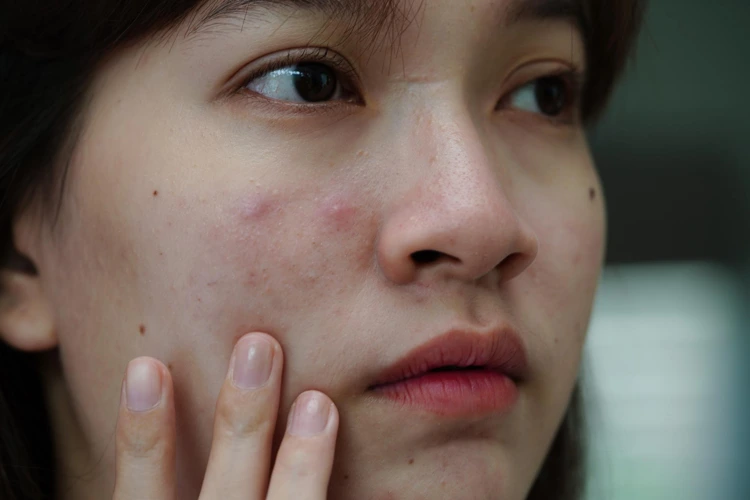

It's important to note that you are not alone, and such feelings need not be the norm. By addressing one's condition early with professional guidance, individuals can prevent long-term damage to their skin and improve their overall quality of life.
How Common Is Acne Among Women?
Acne is also prevalent in the general population for both women and men. The following are statistics about how acne affect women in different age groups.

Best Acne Treatment in Singapore
In Singapore, there are various methods available to help manage and treat acne. The most
appropriate one for you depends on the severity of your acne, your skin type, and your
individual
needs. Talk to a doctor or dermatologist today to understand more.
These are common treatments available in Singapore:
- Over-the-counter (OTC) medication: For mild acne, OTC products containing ingredients like salicylic acid, benzoyl peroxide, and glycolic acid can be effective. These ingredients help to unclog pores, reduce inflammation, and kill bacteria.
- Topical prescription: For moderate to severe acne, a doctor may prescribe topical medications such as retinoids, various mild acids, or topical antibiotics.
- Oral medications: In more severe cases, oral medications like antibiotics, retinoids, or hormonal therapies (for women) may be prescribed.
- Medical procedures: For persistent acne, chemical peels, microdermabrasion, or laser and light therapies may be recommended. These can help to reduce inflammation, remove dead skin cells, and minimise scarring.
- Corticosteroid injections: For large, painful acne cysts, your doctor may discuss the option of injecting a corticosteroid directly into the cyst to reduce inflammation and promote healing.
Acne Treatment for Teens and Adults
Acne can occur in both teenagers as well as adults.
For teens, acne treatment typically focuses on managing excess oil production and preventing scarring during a period of rapid hormonal changes. Mild cases may respond well to over-the-counter products, while more persistent acne may require prescription medication.
For adults, treatment considerations may differ. Hormonal factors, stress, and lifestyle play a more prominent role. Women in their 30s and 40s may experience acne flare-ups related to hormonal shifts, while men may deal with persistent breakouts linked to testosterone levels.
Regardless of age, a doctor can assess the type and severity of your acne and recommend a treatment plan tailored to your needs.
Can a GP Treat Acne in Singapore?
Yes, a general practitioner (GP) can treat acne in Singapore. In fact, most cases of mild to moderate acne can be effectively managed by a GP without the need for a dermatologist referral. A GP can:
- Assess the type and severity of your acne
- Prescribe topical treatments such as retinoids, benzoyl peroxide, or antibiotics
- Prescribe oral medications including antibiotics or hormonal therapies
- Monitor your progress and adjust treatment as needed
- Refer you to a dermatologist for severe or treatment-resistant cases
Visiting a GP for pimple treatment is often more accessible and affordable than seeing a specialist, making it a practical first step for many patients in Singapore.
How Long Does Acne Treatment Take to Work?
One of the most common questions about acne treatment is how long it takes to see results. In general:
- Topical treatments (retinoids, benzoyl peroxide): Typically require 4 to 8 weeks of consistent use before noticeable improvement.
- Oral antibiotics: May show improvement within 6 to 8 weeks, though a full course may last 3 to 6 months.
- Hormonal therapies: Can take 3 to 6 months to achieve significant results.
- Medical procedures (chemical peels, laser): Results vary depending on the procedure and number of sessions required.
It is important to be patient and consistent with your treatment plan. Some treatments may cause a temporary worsening of acne (known as purging) before improvement occurs. Your doctor will monitor your progress and make adjustments as needed.
Acne Treatment Side Effects
Like any medical treatment, acne medications and procedures may have side effects. Being aware of these can help you manage them effectively:
- Topical retinoids: May cause dryness, redness, and peeling, especially during the first few weeks. Using a moisturiser can help manage this.
- Benzoyl peroxide: Can cause dryness and may bleach fabrics. Start with a lower concentration to minimise irritation.
- Oral antibiotics: May cause gastrointestinal discomfort, sun sensitivity, or yeast infections with prolonged use.
- Chemical peels and laser treatments: Temporary redness, sensitivity, and peeling are common after procedures.
Your doctor will discuss potential side effects before starting any treatment and help you weigh the benefits against the risks.
Acne Treatment: Before and After Photos
Owing to the regulations of The Ministry of Health (MOH), we are unable to publish before and after photos on our website. However, you may view these photos during your consultation with our doctor to understand more about the treatment you seek.
Why Choose Dr Robert Ong's Acne Treatment in Singapore?
The Medical Aesthetics Track Record
Patients Consulted Since 2002
Years of Experience
Google Reviews
Experienced & Friendly Doctor
Dr Robert Ong listens attentively to your concerns and patiently discusses with you the appropriate treatment options, based on over 20 years of medical and aesthetics experience.
Affordable Treatments
We are priced competitively and affordably. We also have a variety of treatment options depending on your budget and requirements.
Safe & Effective Results
Our treatment options are safe, effective and promotes natural healing for your skin. We strive to keep your experience a comfortable one and will minimise any pain or discomfort, if any.
Acne Treatment Singapore Price
| Treatment | Price* |
|---|---|
| Consultation | From $38.15 to $70.85 |
| Antibiotics Gel | From $38.15 |
| Benzoyl Peroxide | From $32.70 |
| Retinoid | From $21.80 |
| Others | Please enquire |
*Prices are NETT and inclusive of GST.
All patients are required to undergo a consultation with our doctor to assess his or her
suitability for the relevant treatment(s).
How Do I Book an Acne Treatment Appointment?
Book Acne Treatment
Book Now
Enquire More Through Email
Email Us Now
Enquire More Through WhatsApp
WhatsApp Us Now
Acne Clinic in Singapore: Navigate to us on Google
Frequently Asked Questions
- Using a gentle, non-comedogenic cleanser
- Applying over-the-counter treatments with salicylic acid or benzoyl peroxide
- Using a lightweight, oil-free moisturiser
- Limiting make-up and choosing non-comedogenic products
- Wearing sunscreen daily
- Eating a balanced diet
- Avoiding touching your face
- Managing your stress levels
- Refined sugars and carbohydrates, such as pastries and soft drinks
- Dairy products
- Fast food, due to its high fat, calorie and sugar content
- Foods high in omega-6 fats, such as some vegetable oils
- Foods that you are individually sensitive to
- Diet — certain foods, such as dairy or high-glycaemic-index foods, may worsen acne
- Hormonal changes — such as PCOS, the menstrual cycle, or changes in birth control
- Incorrect treatment — not using the right products for your acne type
- Medications — some can cause acne as a side effect
- Stress — high stress levels can aggravate acne
- Skincare habits — over-cleansing, scrubbing, or using pore-clogging products
- Lack of sleep